
 Save to Pinterest
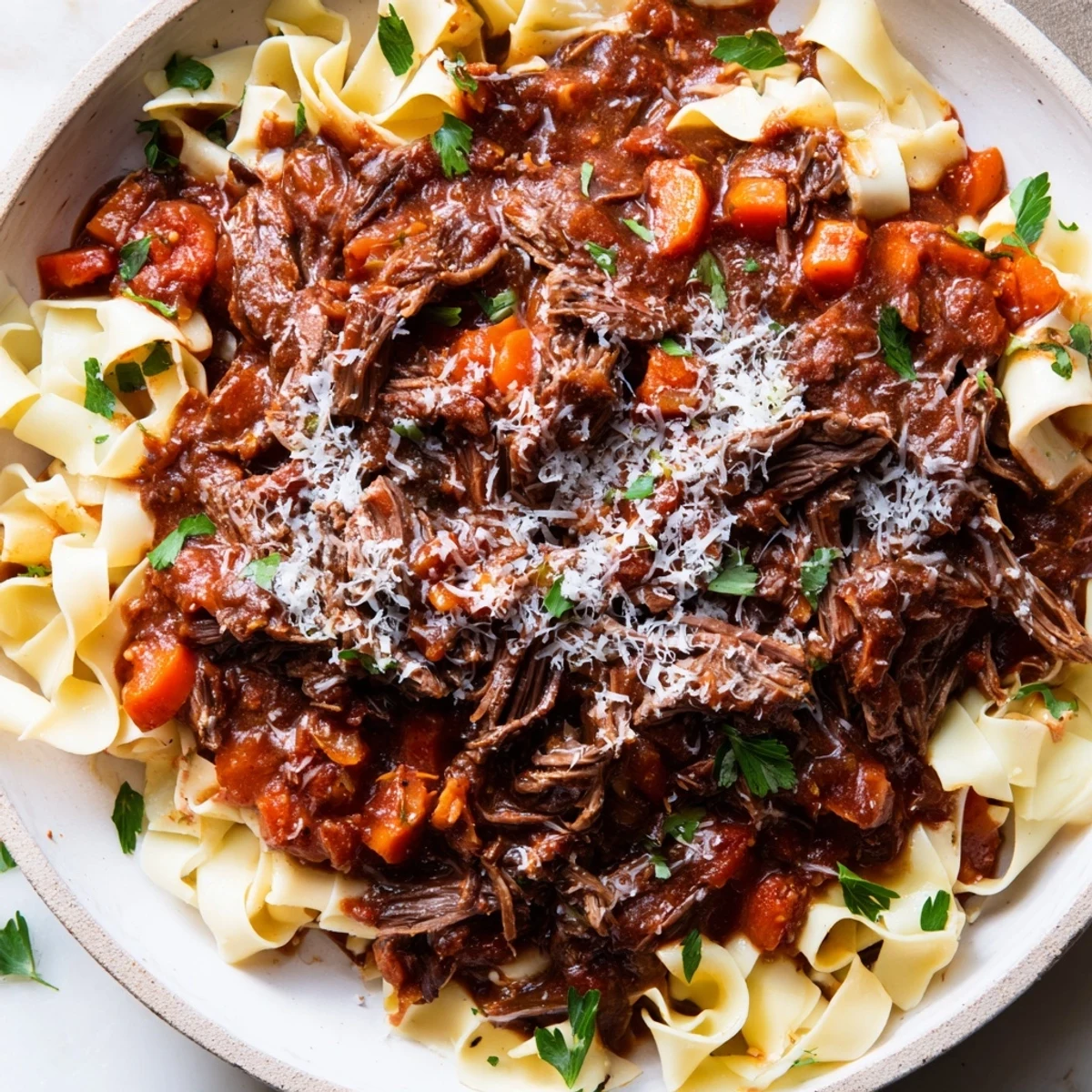
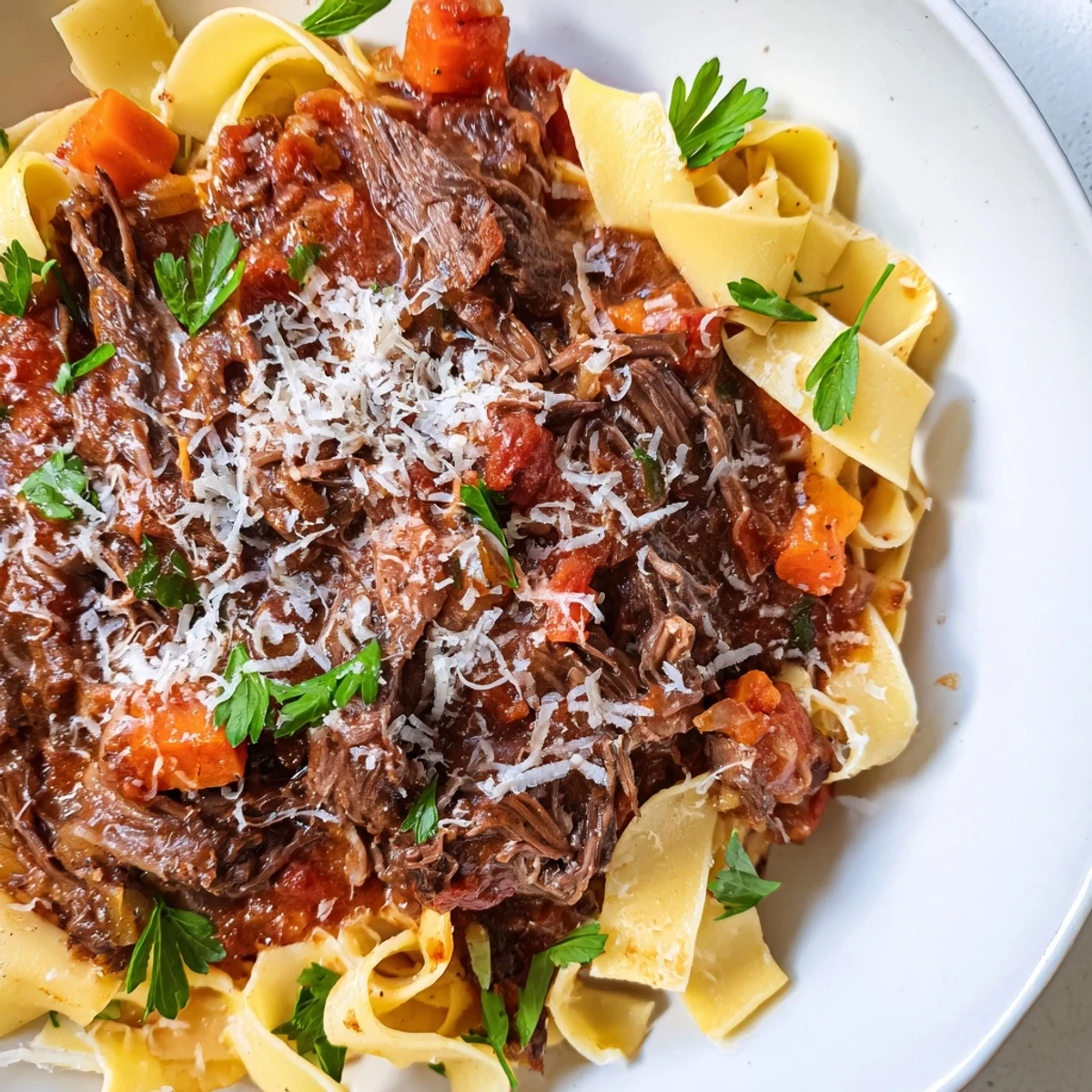
 This dish features slow-cooked beef chuck, gently braised with aromatic vegetables, ripe tomatoes, dry red wine, and fragrant herbs. The long, slow cooking tenderizes the meat, allowing it to shred effortlessly into a rich, flavorful sauce. Finished with a splash of milk for creaminess and served atop broad pappardelle noodles, this hearty meal delivers authentic Italian-inspired comfort perfect for cozy evenings.
Vegetables like carrot, celery, onion, and garlic deepen the sauce's savoriness, while hints of oregano, basil, and bay leaves add an aromatic complexity. A touch of crushed red pepper flakes adds subtle warmth, and freshly grated Parmesan paired with fresh herbs completes the dish with fresh, salty brightness.
The smell hit me before I even opened the door—deep, wine-dark, and almost sweet. My neighbor had been slow-cooking beef all day, and when she brought over a bowl that night, I realized I'd been overthinking dinner for years. This ragu taught me that the best meals don't need constant attention, just patience and a little faith in time.
I made this the first time for a group of friends who showed up tired and hungry after helping me move furniture. Nobody expected much, but when I ladled that ragu over the pasta, the room went quiet except for the sound of forks scraping plates. One friend went back for thirds.
Ingredients
- Beef chuck roast: This cut has enough fat and connective tissue to break down into something silky and rich after hours in the slow cooker, so don't swap it for a lean cut or you'll lose that melt-in-your-mouth texture.
- Olive oil: Just enough to get a good sear on the beef, which builds a layer of caramelized flavor that carries through the whole dish.
- Yellow onion: Chop it fine so it melts into the sauce, adding sweetness without chunks that some people pick around.
- Carrots and celery: The classic soffritto base that gives the ragu depth and a subtle vegetal sweetness you won't taste directly but will absolutely miss if you skip it.
- Garlic: Minced and added after the other vegetables so it doesn't burn, releasing that warm, pungent note that makes everything smell like home.
- Tomato paste: Cooking it for a minute in the skillet darkens it and concentrates the tomato flavor, turning it from bright and sharp to deep and almost earthy.
- Crushed tomatoes: The backbone of the sauce, providing body and acidity that balances the richness of the beef and the sweetness of the wine.
- Dry red wine: It deglazes the pan and adds complexity, so use something you'd actually drink, not the bottle that's been open for three weeks.
- Dried oregano and basil: These herbs bloom slowly in the slow cooker, infusing the sauce with that unmistakable Italian warmth.
- Bay leaves: They add a subtle, aromatic bitterness that rounds out the sauce, just remember to fish them out before serving.
- Crushed red pepper flakes: Optional, but a pinch adds a gentle heat that wakes up the other flavors without making the dish spicy.
- Sugar: A small amount balances the acidity of the tomatoes, especially if your canned tomatoes are on the tart side.
- Whole milk: Stirred in at the end, it softens the sauce and adds a creamy richness that ties everything together.
- Pappardelle pasta: Wide, flat noodles that catch and hold the chunky ragu better than anything else, turning each bite into a perfect combination of pasta and sauce.
- Parmesan cheese: Freshly grated, not the pre-shredded stuff, because it melts into the hot pasta and adds a salty, nutty finish.
- Fresh basil or parsley: A handful of green at the end brightens the plate and cuts through the richness with a burst of freshness.
Instructions
- Season the beef:
- Sprinkle salt and pepper all over the chunks so every piece gets seasoned. This is your only chance to salt the meat directly, so don't be shy.
- Sear the beef:
- Heat the oil until it shimmers, then lay the beef in without crowding the pan. Let each side brown deeply before turning, that crust is pure flavor.
- Soften the vegetables:
- Use the same skillet with all those browned bits still clinging to the bottom. The vegetables will start to pick them up as they cook, adding layers of flavor you can't get any other way.
- Bloom the garlic and tomato paste:
- Stir the garlic in just until it smells fragrant, then add the tomato paste and let it darken a shade. It should smell almost sweet and concentrated.
- Build the sauce in the slow cooker:
- Scrape everything into the slow cooker, pour in the tomatoes and wine, then add the herbs and spices. Stir it all together so the beef is mostly submerged.
- Cook low and slow:
- Cover it, set it to low, and walk away for eight hours. The beef will go from tough to tender to falling apart, and your kitchen will smell like an Italian grandmother's house.
- Shred the beef and finish the sauce:
- Pull out the bay leaves, then use two forks to shred the beef right in the pot. Stir in the milk and taste, adding more salt or pepper if it needs it.
- Cook the pasta and serve:
- Boil the pappardelle until it's just tender, then drain and divide it among plates. Spoon the ragu generously over the top, finish with Parmesan and herbs, and serve it hot.
 Save to Pinterest
 The third time I made this, I brought it to a potluck where someone else had also brought pasta. Mine disappeared first, and later someone asked for the recipe on a napkin. I realized then that this wasn't just a dinner, it was the kind of dish that gets passed along.
Choosing Your Beef
Chuck roast is the workhorse here because it has the right balance of fat and collagen that breaks down into tenderness. I tried using stew meat once and it came out dry and stringy, so stick with a whole roast you can cut into large chunks yourself. The bigger the pieces, the more they stay intact during cooking before shredding.
Wine Matters More Than You Think
The first time I used cheap cooking wine, the ragu tasted thin and sour. A decent bottle of Chianti or Merlot adds warmth and complexity that you'll notice in every bite. You don't need to spend a fortune, just avoid anything labeled cooking wine or anything you wouldn't sip on its own.
Making It Ahead and Storing
This ragu actually improves after a night in the fridge, the flavors deepen and the sauce thickens. I usually make a double batch and freeze half in portions, then pull one out on a busy weeknight when I need something that tastes like I spent all day cooking.
- Cool the ragu completely before refrigerating or freezing to avoid condensation that waters down the sauce.
- Reheat gently on the stovetop with a splash of broth or water to bring it back to life.
- Frozen ragu keeps for up to three months and thaws beautifully overnight in the fridge.
 Save to Pinterest
 There's something deeply satisfying about a dish that asks so little of you and gives back so much. This ragu has become my answer to cold nights, hungry crowds, and the question of what to make when I want to feel like I'm taking care of someone.
Recipe Questions & Answers
- → What cut of beef works best for this dish?
-
Beef chuck roast is ideal due to its marbling and connective tissues that break down during slow cooking, resulting in tender, flavorful meat.
- → Can I substitute the pappardelle with other pasta types?
-
Yes, wide noodles like tagliatelle or fettuccine make excellent alternatives that hold the sauce well.
- → How long should the beef cook in the slow cooker?
-
Cooking on LOW for 8 hours or HIGH for 4–5 hours ensures the beef becomes tender enough to shred easily.
- → What role does red wine play in the sauce?
-
Dry red wine enhances the sauce's depth and richness, balancing the acidity of the tomatoes and tenderizing the meat.
- → Can I prepare this dish in advance?
-
Yes, the ragu can be made a day ahead and reheated. Flavors often deepen and improve overnight.
- → How do I adjust seasoning after cooking?
-
After shredding the beef and stirring in milk, taste the sauce and add salt, pepper, or sugar to balance flavors as needed.